

With over 15+ years of combined experience, our team at Kharb Media has seen the digital world change many times. Today, search isn’t just about pleasing an algorithm; it is about serving your audience better. If you want consistent organic traffic, you must understand the 3 ways to transform blogs with SEO.
Many business owners think SEO is just a set of tricks, but it is actually about clarity, structure, and value. When you align your blog with what search engines need and what users want, your rankings will improve naturally.
Table of Contents
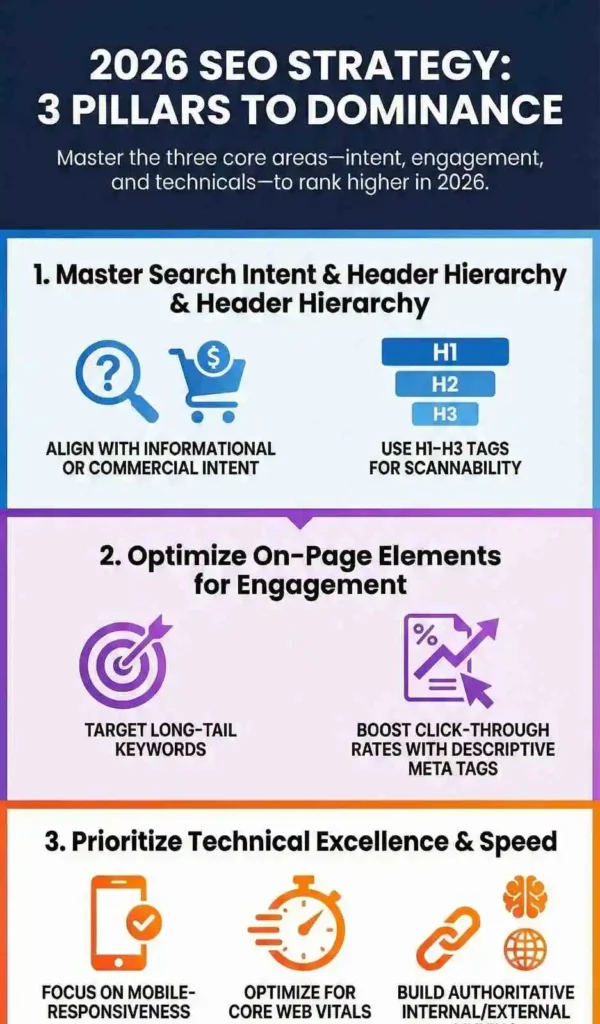
1. Mastery of Search Intent and Content Structure
The first of the 3 ways to transform blogs with SEO is fixing your content structure to match search intent. Search engines prioritize content that answers specific questions directly.
Understanding Search Intent First
Before you write a single word, our senior strategists suggest studying the intent behind your keywords.
- Informational Intent: Users want to learn something (e.g., “how to bake a cake”).
- Commercial Intent: Users are researching products (e.g., “best SEO tools”).
- Navigational Intent: Users want to find a specific page (e.g., “Kharb Media login”).
Matching this intent reduces your bounce rate and increases “dwell time,” which tells Google your content is valuable.
The Art of Heading Hierarchy
Using proper header tags (H1, H2, H3) is a unique approach to HTML structuring that makes your blog scannable.
- Use Only One H1: This is your main title and should include your primary keyword.
- Break Sections with H2s and H3s: This helps search engines scan your content easily and improves your chances of appearing in “featured snippets”.
Writing for Humans, Not Machines
Our team believes in creating content for human readers first.
- Use Short, Clear Sentences: This improves comprehension and helps mobile users.
- Avoid Keyword Stuffing: Incorporate your focus keyword naturally in the first paragraph, headings, and throughout the text without overusing it.
- Add Contextual Depth: Cover the topic fully to build “topical authority”.
2. Advanced On-Page Optimization and Engagement
The second step in the 3 ways to transform blogs with SEO involves smart placement of on-page elements. This ensures that your keywords have drawn visitors in and keeps them engaged.
Strategic Keyword Mastery
Research keywords that align closely with your theme and your audience’s actual queries.
- Use LSI Keywords: Incorporate related or semantic terms to provide broader context.
- Target Long-Tail Keywords: Instead of a broad term like “SEO tips,” use specific phrases like “SEO tips for beginner bloggers” to reach a more targeted audience.
Optimizing Meta Tags and URLs
- SEO-Friendly Meta Titles: Keep titles under 60 characters and ensure they explain your value clearly.
- Compelling Meta Descriptions: These should stay under 160 characters and act as a hook to improve your click-through rate (CTR).
- Clean URL Structure: Use short, descriptive URLs (e.g., “/blog-seo-tips”) instead of random symbols to help users understand the page context.
Multimedia and Image SEO
Incorporating photos, videos, and infographics can significantly improve reader engagement.
- Compress Your Media: Large files slow down your site. Use software like Photoshop or caching plugins to reduce image sizes and speed up page loading.
- Descriptive Alt Text: Always include alt text for images to improve accessibility and give search engines extra keyword context.
3. Technical Mastery and Performance Signals
The third and most powerful part of the 3 ways to transform blogs with SEO is technical excellence and trust building. Technical SEO is often the “behind-the-scenes hero” of a blog’s success.
Speed and Mobile-Friendliness
In 2026, mobile usability is a major ranking factor.
- Responsive Design: Ensure your blog looks great on any device, from smartphones to desktops.
- Core Web Vitals: Google’s “Core Web Vitals” influence rankings directly. Fast load times and smooth page performance are key.
Internal and External Linking Strategies
Links are the backbone of SEO, acting as pathways for readers and authority signals for engines.
- Internal Linking: Link to your own related posts to keep readers on your site longer and help search engines crawl your site efficiently.
- External Linking: Reference authoritative sources (like industry leaders or government sites) to validate your claims and boost trustworthiness.
- Backlink Building: Collaborate with influencers or guest post on reputable sites to enhance your domain authority.
The Importance of Freshness
Our senior strategists have executed successful content “refreshes” for years.
- Update Old Content: Regularly refreshing old, high-potential posts with new statistics and current keywords can boost their search ranking significantly.
Transforming Strategy into Success
SEO success does not come overnight, but consistent improvement beats shortcuts. By following these 3 ways to transform blogs with SEO, you are building a sustainable system for growth.
With over 15+ years of combined experience, our team at Kharb Media is here to guide you through every step. We don’t just help you appease search engines; we help you captivate and grow your audience.
Ready to take your blog to new heights?
- Phone: +91 97287 85818
- Email: support@kharbmedia.com || kharbmedia@gmail.com
- WhatsApp: Chat with an Expert
Would you like me to perform a free SEO audit on your current blog to see which technical errors are holding you back?
People Also Ask (FAQs)
What are the 3 ways to transform blogs with SEO?
The three pillars are: 1) Optimizing content for user intent and structure, 2) Mastering on-page SEO elements like meta tags and images, and 3) Improving technical SEO and building high-quality links.
How do I choose the right keywords?
Focus on relevance and user intent rather than just search volume. Use tools like Google’s “People Also Ask” to find the questions your audience is actually typing.
Does page speed really affect my blog’s ranking?
Yes. Page speed is a confirmed ranking factor. Faster pages reduce bounce rates and provide a better experience for mobile users.